
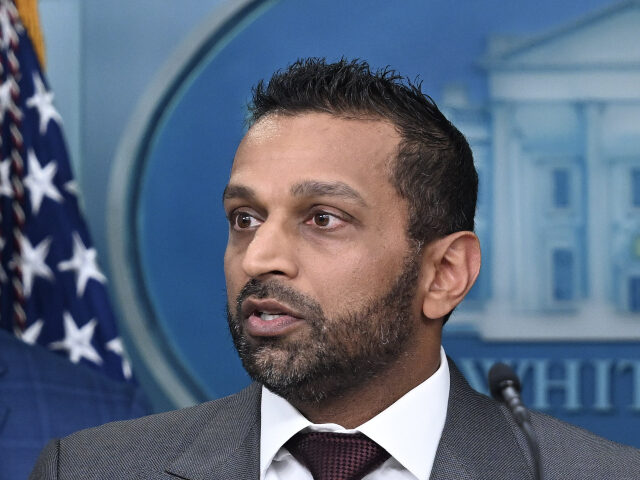
FBI Director Kash Patel confirmed what many suspected: the attack on a Minneapolis Catholic school was no random act of violence but a “hate crime targeting Catholics.” His statement on X underscores the grim reality that America’s faith communities—once considered untouchable sanctuaries—are increasingly under siege.

The alleged shooter, born Robert Westman, legally changed his name to “Robin” at age 17 with his mother’s approval, according to Fox News correspondent Brooke Taylor. Court documents show the petition was granted in 2020 after Westman said he identified “as a female.” Breitbart reported the name change and Taylor posted the signed paperwork on X, making clear that the shooter’s background was known, documented, and approved by the courts.
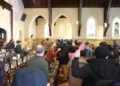
On Wednesday morning, police say the gunman arrived heavily armed, carrying a pistol, rifle, and shotgun. From outside the church, he opened fire through stained glass windows, striking children in their pews as Mass was underway. Two children were killed, and 17 others wounded. It was a carefully planned ambush of the most vulnerable—students gathered in worship on their first week back at Annunciation Catholic School.
KHOU 11 posted video of Minneapolis Police Chief Brian O’Hara describing the massacre as “evil,” emphasizing that “[the] worship service was marking the first week of school, for children that are attending the Annunciation Catholic School.” He called the shooting a “deliberate act of violence against innocent children and other people worshipping.”
The brutality of this attack is shocking. But equally disturbing is the broader cultural climate that fuels hostility toward people of faith while too often excusing those who target them. Families are now left grieving children who were murdered simply for being present at church. Yet the larger question looms: how did our institutions—schools, courts, and city leaders—allow dangerous warning signs to slip through until the unthinkable happened?