
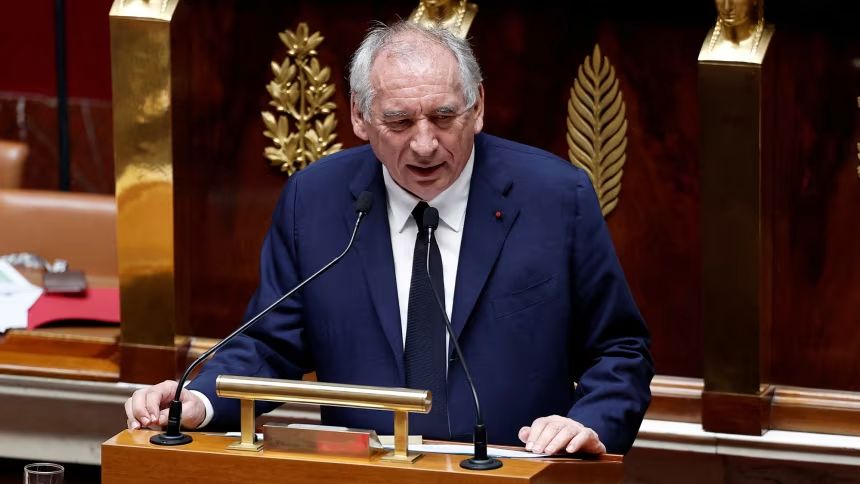
France has plunged into yet another political crisis. Lawmakers voted Monday to oust Prime Minister François Bayrou after just nine months in office, leaving the country without a functioning government while debt piles up, borrowing costs surge, and public anger spills into the streets.

Bayrou’s downfall came after he tried to force through a €44 billion ($51 billion) savings plan that would have frozen government spending and even scrapped two public holidays. A total of 364 lawmakers voted against him, easily clearing the 280 votes needed to topple his government. He now follows his predecessor, Michel Barnier, who was ousted in a no-confidence vote late last year.
The financial markets wasted no time punishing Paris. Yields on French government bonds have now jumped above those of Spain, Portugal, and even Greece—countries once at the center of Europe’s debt crisis. Analysts warn that a downgrade of France’s credit rating could be imminent, putting further strain on taxpayers and weakening Europe’s economic stability.

Romain Costaseca/Hans Lucas/AFP/Getty Images
“You have the power to bring down the government, but you do not have the power to erase reality,” Bayrou told lawmakers before the vote. “Reality will remain relentless: expenses will continue to rise, and the burden of debt, already unbearable, will grow heavier and more costly.” He admitted bluntly: “We broke the social contract” with younger generations.
This crisis is the direct result of President Emmanuel Macron’s gamble last year, when he called a snap election after his centrist bloc was trounced in European Parliament elections by Marine Le Pen’s National Rally. The move backfired, splitting parliament between the far right and far left and leaving Macron unable to push through serious reforms.
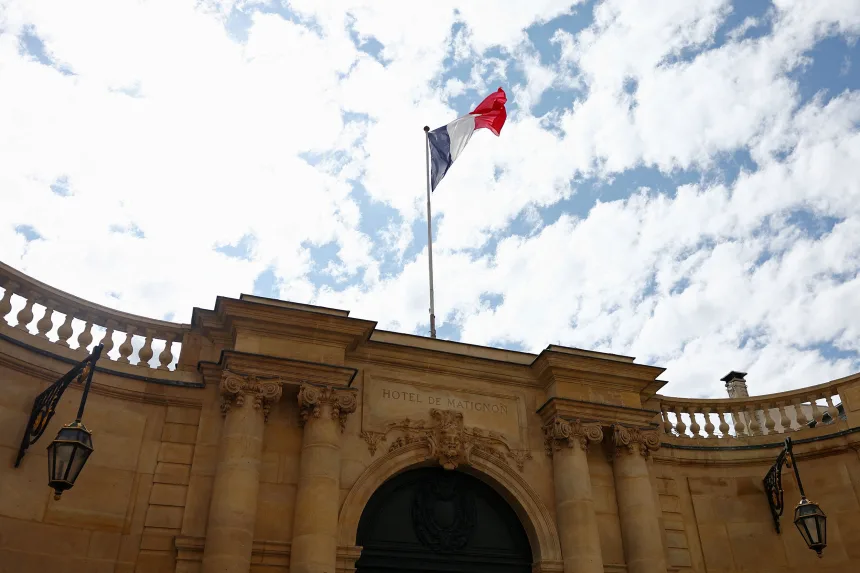
Abdul Saboor/Reuters
Now, Macron faces a nearly impossible choice. His centrist allies are exhausted, conservatives won’t accept more tax hikes or heavy-handed government expansion, and the far left is already mobilizing nationwide strikes under the banner “Bloquons tout” (“Let’s block everything”). Any new prime minister he appoints is likely to face immediate rebellion.
For years, France has chosen bigger government, higher spending, and endless welfare promises instead of reform. Now the bill has come due. With markets losing confidence, protests building, and no credible leadership in sight, the country is edging closer to a full-blown collapse of public trust.
The lesson is clear: when governments ignore fiscal responsibility and treat debt as an afterthought, they eventually run out of room to maneuver. France is living that reality today—and the consequences will ripple far beyond Paris.