
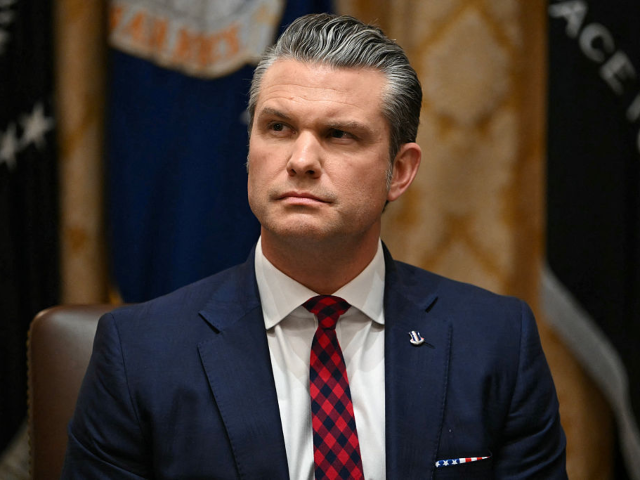
Secretary of War Pete Hegseth delivered a clear message Tuesday: the days of hesitation in confronting narco-terror networks are over, and America is finally taking decisive action to protect its borders and its people. Speaking during the ninth Trump cabinet meeting, Hegseth emphasized that the administration has “only just begun” a sweeping campaign targeting drug-laden vessels attempting to ferry narcotics into the United States. It’s a dramatic shift from years of half-measures that allowed cartels to entrench themselves while Washington debated process.

“We’ve only just begun striking narco boats and putting narco terrorists at the bottom of the ocean because they’ve been poisoning the American people,” he said. For years, these networks operated with near impunity, exploiting weak enforcement, overloaded courts, and a border security posture that treated transnational crime as a theoretical problem rather than an urgent threat to public safety. The result was predictable: record overdoses, cartel-controlled corridors, and widespread community harm—all while taxpayers footed the bill for endless catch-and-release cycles.
Hegseth made it clear that this administration is reversing course. “Joe Biden tried to approach it with kid gloves and allowed them to come across the border, cartels take over a community, 20 million people, hundreds of thousands of Americans poisoned. And President Trump said, ‘No, we’re taking the gloves off. We’re taking the fight to these designated terror organizations.’” The contrast in strategy reflects more than a difference in tone. It reflects a return to a security-first approach that prioritizes deterrence over bureaucracy and action over symbolic enforcement.
President Trump highlighted early results, noting a striking 91 percent reduction in narcotics entering the U.S. by sea. While NPR reported 21 maritime strikes as of November 15, officials say the real sign of progress is the growing difficulty in even locating active drug vessels—proof that the threat is being disrupted before it reaches American waters. “We’ve had a bit of a pause because it’s hard to find boats to strike right now, which is the entire point,” Hegseth remarked, drawing laughter from other cabinet officials. “Deterrence has to matter, not arrest and hand over and then do it again, the rinse and repeat approach of previous administrations. This is meant to get after that approach.”
He also reaffirmed full support for the officers executing these high-stakes missions, pushing back against any attempt to second-guess leaders making real-time decisions against dangerous criminal networks. After the White House confirmed that Admiral Frank Bradley “worked well within his authority and the law” during September 2 strikes, Hegseth underscored the administration’s commitment to backing those on the front lines. “As President Trump always has our backs. We always have the back of our commanders who are making decisions in difficult situations, and we do in this case and all these strikes, they’re making judgment calls and ensuring that they defend the American people,” he said. “They’ve done the right things. We’ll keep doing that, and we have their backs.”
The message is unmistakable: the U.S. is no longer tolerating the steady march of cartel influence or the erosion of national security it brings. Instead, it is deploying strength, clarity, and accountability—three pillars long demanded by communities bearing the brunt of America’s drug crisis. Under this new posture, deterrence is not a slogan. It is policy. And for the first time in years, the tide appears to be turning.