
Rhode Island Attorney General Peter Neronha acknowledged Tuesday that investigators face significant limitations in reviewing surveillance footage from Saturday’s shooting at Brown University, explaining that the area where the incident occurred is largely without camera coverage. When asked about the availability of video evidence, Neronha said the shooting took place in an older section of the university’s Barus and Holley engineering and physics building, where modern surveillance infrastructure is limited. He explained, “So there’s the back part of the building, the old part, and the front part, the new part. The shooting occurs in the old part towards the back… and that older part of the building, there are fewer, if any, cameras in that location, I imagine, because it’s an older building.”

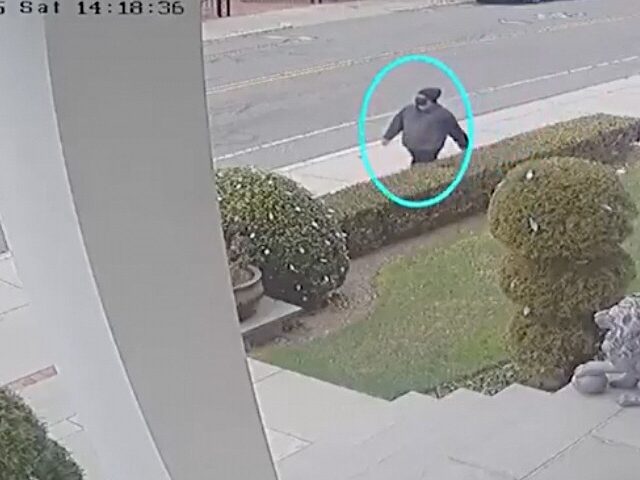
The absence of clear footage has affected investigators’ ability to track the suspect’s movements inside the building. Reuters summarized Neronha’s comments by reporting, “Officials said there were limited cameras inside the engineering and physics building where the shooting took place, and that none had recorded any clear footage of the gunman.” As a result, publicly released video related to the case has so far consisted of distant clips showing a “person of interest” walking along streets or crossing intersections near the campus, rather than footage from inside the building itself.
Law enforcement agencies have worked to enhance the available external video to extract as much detail as possible, including footage released by the Providence Police Department. Still, the lack of interior surveillance has placed greater reliance on witness accounts, physical evidence, and off-campus recordings. The situation has drawn attention to the challenges faced by investigators when incidents occur in older facilities that were built before widespread adoption of modern security systems, particularly at large institutions with a mix of aging and newer infrastructure.
The shooting resulted in two fatalities and left nine others wounded, according to authorities. The investigation remains ongoing as officials continue to piece together events using the limited visual evidence available, underscoring how building design, infrastructure age, and surveillance coverage can play a critical role in public safety responses and criminal investigations.