

Australian authorities have formally charged Naveed Akram, the sole surviving suspect in Sunday’s mass shooting at Bondi Beach in Sydney, with 59 criminal offences, according to New South Wales Police. The charges include 15 counts of murder, one count of committing a terrorist act, and 40 counts of causing wounding or grievous bodily harm with intent to murder. Police confirmed the charges on Wednesday, outlining the scale of the alleged conduct and the breadth of the ongoing investigation.

Akram remains hospitalized under police guard as the legal process begins. His initial court appearance has been adjourned until April 2026. The second gunman, identified by police as his father, Sajid Akram, 50, an India-born immigrant, was killed during an exchange of gunfire with responding officers at the scene. Authorities have said the confrontation ended the immediate threat but left investigators with a complex and far-reaching case to assemble.
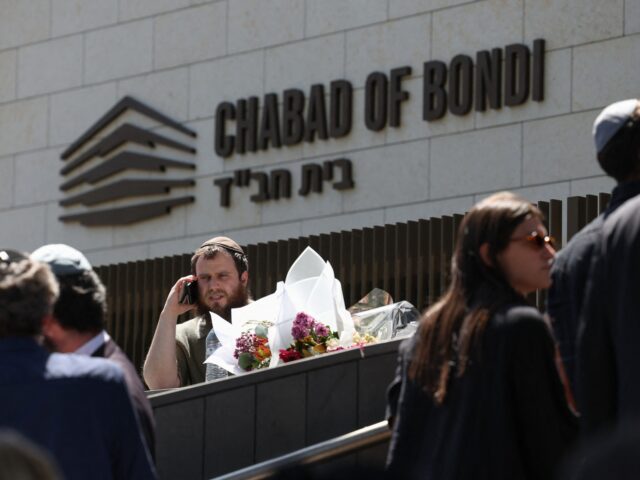
Fifteen people were killed and dozens more wounded during the attack, which took place during an event marking the first night of Hanukkah. Police have stated that the gathering was part of Australia’s Jewish community, and investigators have since treated the incident as a targeted act rather than a random assault. Among those killed were two rabbis, a Holocaust survivor, and a 10-year-old girl identified by her family as Matilda, underscoring the broad human impact of the attack.
Investigators now say early indications point to terrorism inspired by Islamic State, which is listed as a terrorist organization in Australia. Police reported that two homemade Islamic State flags were recovered from a vehicle registered to Naveed Akram and parked near the beach. In a statement, New South Wales Police said, “Police will allege in court the man engaged in conduct that caused death, serious injury and endangered life to advance a religious cause and cause fear in the community.”
Authorities have described the investigation as “massive” and “complex,” noting that it involves extensive forensic work, witness interviews, and coordination across agencies. Officials have emphasized that the inquiry remains ongoing, with additional evidence still being reviewed. The case has renewed attention on public safety at large public gatherings, the monitoring of extremist activity, and the capacity of law enforcement to respond rapidly to coordinated acts of violence while preserving due process as the legal proceedings move forward.