

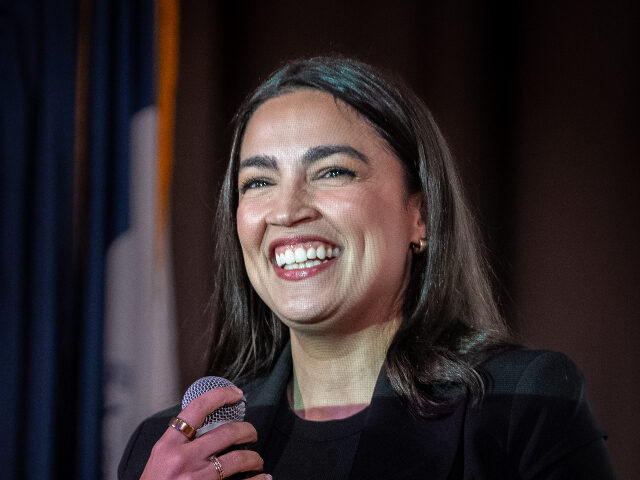
Rep. Alexandria Ocasio-Cortez, D-N.Y., drew attention this week after responding to a newly released national poll testing a hypothetical 2028 presidential matchup against Vice President JD Vance. The exchange offered an early look at how potential future candidates are being discussed years before the next election cycle formally begins, a period when name recognition, institutional support, and national conditions often matter more than firm voter commitments.

The poll showed a narrow margin between the two figures. According to the survey, Ocasio-Cortez led Vance by two percentage points nationally, 51 percent to 49 percent. The result fell within the poll’s stated margin of error, indicating no clear statistical advantage for either candidate at this stage. Polling this far from an election is generally viewed as a snapshot of current perceptions rather than a predictor of outcomes, particularly given how economic conditions, global events, party leadership, and turnout dynamics can shift over time.
When asked by reporters about the poll, Ocasio-Cortez downplayed its significance while making a confident personal assessment of a potential race. “These polls like three years out—they are what they are,” she said, before adding: “But let the record show I would stomp him. I would stomp him!” Her remarks quickly circulated online, reflecting how early campaign-style language is already entering public discussion despite no official announcements from either figure.
Vice President Vance has not commented publicly on the hypothetical matchup. As a sitting vice president, his political standing would likely be shaped by the performance of the current administration, legislative outcomes, and broader national priorities such as economic stability, public safety, and foreign policy. Historically, candidates closely tied to executive leadership inherit both the benefits and challenges of governing records as elections approach.
The exchange highlights how early polling and off-the-cuff remarks can influence media narratives long before voters are focused on a presidential race. With more than three years until the 2028 election, analysts note that factors such as economic growth, inflation, international developments, and institutional trust typically play a decisive role in shaping voter behavior. For now, the poll and Ocasio-Cortez’s response serve primarily as an early indicator of political visibility rather than a definitive measure of future electoral strength.








Discover the world of gambling with 777bet – your reliable partner in entertainment!
These bonuses give users more opportunities to increase their potential payouts.