
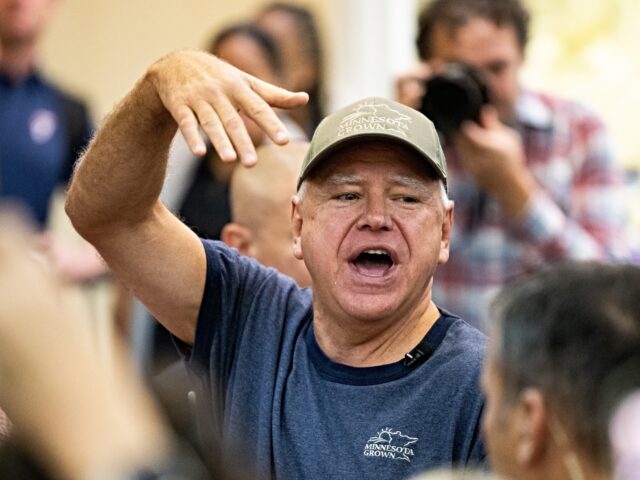
Minnesota Gov. Tim Walz is seeking a formal role for state authorities in a federal investigation into the death of an anti-ICE protester in Minneapolis, a move that has prompted questions about jurisdiction, oversight, and the balance between state and federal law enforcement responsibilities. The case involves a fatal shooting during what federal officials have described as a federal law enforcement operation, placing investigative authority at the center of an ongoing dispute.

Walz made his position public Thursday evening while calling for a statewide “Day of Unity” and a moment of silence at 10 a.m. Central Time. In his remarks, he urged that Minnesota investigators be allowed to take the lead, stating, “We need Minnesota to carry out this investigation, to make sure that the professionals at the BCA [Bureau of Criminal Investigration] and local law enforcement who’s in charge of law enforcement, make sure we do the investigation, and then to pull back this unnecessary [federal ICE] surge …” He continued by asking residents to participate in the observance, saying, “I’d ask everyone to pause for a moment of silence, to remember [the protestor] Renee Good, also to remember all that’s good and right about this nation … to rise up to make sure that we’re being very, very clear about this, that we expect our constitutional rights to be respected, that law enforcement is local, that we expect accountability of our elected leaders, and that we are not going to go quietly.”
Earlier the same day, Walz reiterated his request for state involvement, saying, “I just want to make this as clear as possible to everyone, Minnesota must be part of this investigation.” His comments came as national attention focused on the case, with major news organizations highlighting the dispute over investigative control. Questions about who leads the inquiry matter because they can shape how evidence is gathered, which agencies have access to records, and how findings are ultimately presented to the public.
Federal officials have so far rejected the governor’s request. Vice President JD Vance addressed the issue Thursday, telling reporters that the incident involved “a federal law enforcement official engaging in federal law enforcement action,” adding, “That’s a federal issue.” Under existing law, shootings involving federal officers acting in an official capacity are typically reviewed by federal investigators to ensure consistency across jurisdictions and to protect the integrity of federal enforcement operations.
The broader context includes heightened scrutiny of public spending, law enforcement accountability, and the relationship between state governments and federal agencies. Lawmakers from both parties have indicated that the outcome of the investigation could carry political implications as Congress and the public examine how federal funds are administered and how enforcement decisions are made. During a congressional hearing Wednesday, Republican legislators cited testimony from state employees who described concerns about retaliation when raising questions related to state programs.
State Rep. Marion Rarick (R) told the House hearing, “The [auditors] have explained that they live in a constant state of fear of retaliation.” She added that whistleblowers described threats of termination, blacklisting from state agencies, and other professional consequences. Rarick also recounted an incident involving Lt. Gov. Peggy Flanagan, stating, “On April 12, 2024 Flanagan comes to a DHS Health and Human Services equity conference at the Heritage Center and Brooklyn Center [in Minneapolis]. On stage, Flanagan acknowledged the X account and the fraud concerns it raised [but] publicly denounced the X [government whistleblowers] and called them weirdos and losers sitting in their mother’s basement.”
A group of state whistleblowers summarized their concerns in a January 7 statement, saying, “We’ve been yelling from every rooftop possible about fraud: Systemic issues mean that someone in leadership is advising or forcing staff to commit wrongdoing. And these leaders will be NAMED.” While those allegations remain under review, they have intensified debate over transparency, the protection of whistleblowers, and the appropriate scope of government authority.
As the investigation into the protester’s death continues, the unresolved question of whether state or federal officials will lead the inquiry underscores broader tensions over jurisdiction, accountability, and public trust in institutions tasked with enforcing the law and overseeing public funds.