

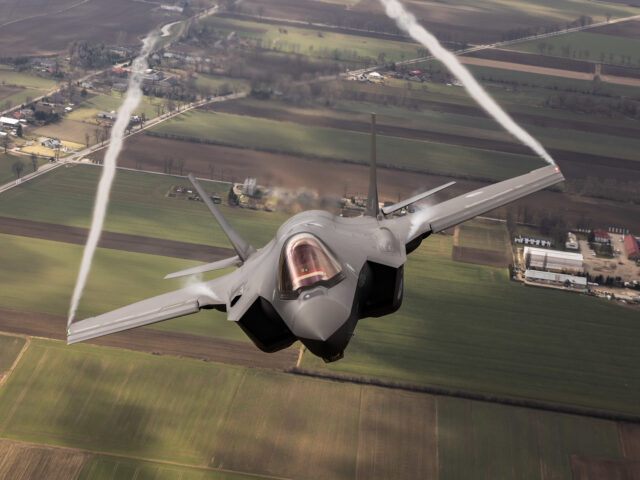
NATO’s eastern flank faced a direct challenge this week as a wave of Russian drones violated Polish airspace, prompting Warsaw to trigger Article Four of the alliance’s charter. For the first time in history, NATO forces shot down Russian drones inside member territory—a moment that underscores how dangerous and unstable Europe has become under Moscow’s aggression.

Polish Prime Minister Donald Tusk did not mince words, telling Parliament: “Last night the Polish airspace was violated by a huge number of Russian drones… This is not our war. This is not just a war for Ukrainians. This is a confrontation that Russia has declared on the entire world.” Of the 19 drones that crossed into Poland, several were shot down, while others crashed after running out of fuel.
Airports were shut down overnight to allow Poland’s military and NATO partners to operate freely. Western aircraft, including Dutch fighters and Italian surveillance planes, flew alongside Poland’s own F-16s, F-35s, and Black Hawks. Civilians were warned by emergency messages to stay indoors and report wreckage. Fortunately, there were no casualties, but property damage—including a home with its roof blown off—was reported.
The incident reveals just how emboldened Russia has grown. Drones crossed not only from Ukraine but directly from Belarus, Moscow’s close ally that has become a staging ground for Russian provocations. While Belarus now claims the drones veered off course due to electronic warfare, few in the West will take that excuse at face value. NATO leaders know this is part of a larger pattern of testing the alliance’s resolve.
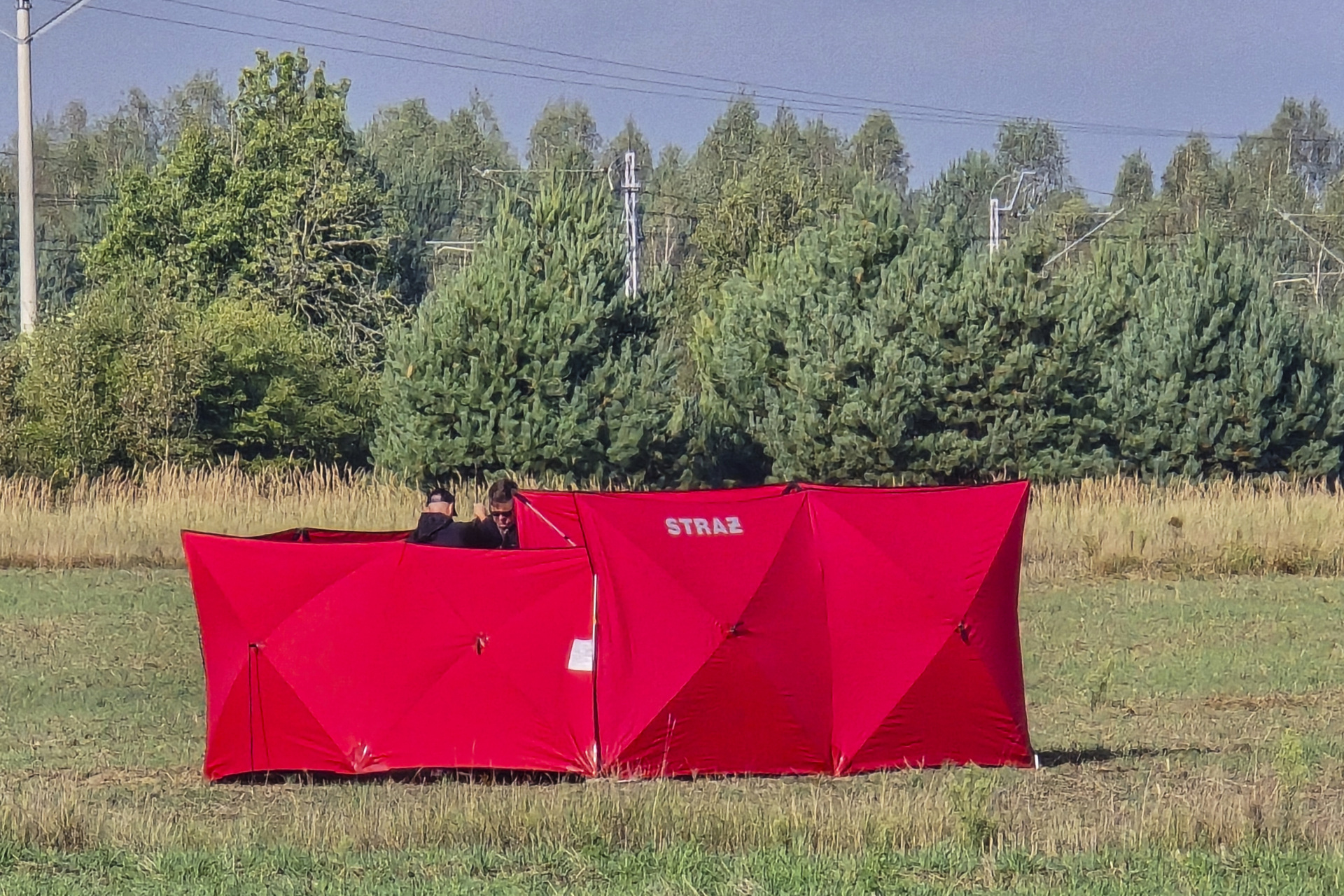
Ukrainian President Volodymyr Zelensky called the drone strike “an extremely dangerous precedent for Europe,” warning that Moscow is probing “the limits of what is possible” to see whether NATO will respond decisively. Estonian Prime Minister Kaja Kallas went further, declaring this “the most serious violation of European airspace” to date and likely intentional.
The fact that NATO forces had to engage Russian drones directly inside member territory should be a wake-up call. This is not simply Ukraine’s problem. Russia is deliberately pushing boundaries to see whether the West will stand firm or falter. A weak response invites escalation. A firm, security-first approach is the only deterrent Vladimir Putin understands.
For Poland, a nation that suffered under both Soviet and Nazi occupation in the 20th century, the stakes could not be clearer. If NATO fails to treat this as more than an “accident,” Moscow will only press harder. Article Four consultation is the first step, but the real question is whether the alliance is willing to back up its words with action before another drone—or missile—causes casualties inside NATO borders.
Russia has already learned it can weaponize uncertainty and Western hesitation. This latest violation proves that a half-measure strategy is no longer an option. NATO is being tested—and history shows appeasement never works.