
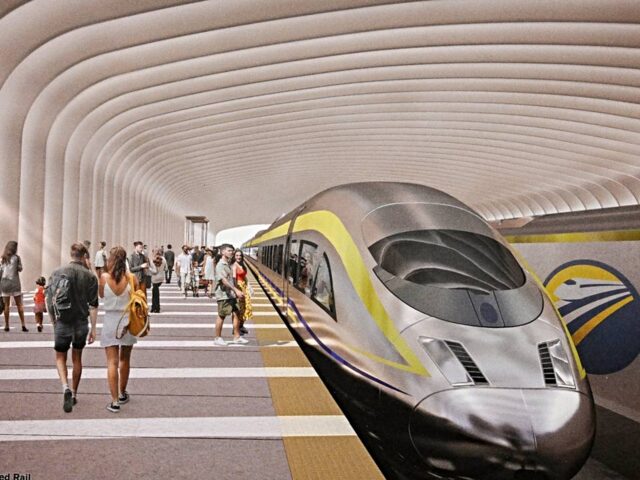
California has withdrawn a lawsuit against the Trump administration that sought to recover roughly $4 billion in federal funding previously pulled from the state’s high-speed rail project, a development that refocuses attention on the long-running challenges surrounding the effort. The legal action stemmed from the Federal Railroad Administration’s decision to revoke grants after years of delays, cost increases, and unmet benchmarks tied to the project’s original agreements. By dropping the case, state officials signaled a decision to proceed without federal backing while continuing to dispute the federal government’s role in the project’s setbacks.

State officials attributed the withdrawal not to the condition of the rail project itself, but to their assessment of the federal government as an unreliable partner. “This action reflects the State’s assessment that the federal government is not a reliable, constructive, or trustworthy partner in advancing high-speed rail in California,” a spokesperson for the California High-Speed Rail Authority said in an email to Bloomberg. The lawsuit had argued that federal officials violated binding grant agreements when the funding was withdrawn, but the state ultimately chose to abandon the court challenge.
According to Bloomberg, California officials concluded that continued litigation carried financial risk because the Federal Railroad Administration warned that all work performed by the authority remained “at risk” of nonpayment. The warning contributed to the state’s assessment that federal commitments were unlikely to be upheld if the lawsuit proceeded. A spokesperson for the rail authority further stated that federal involvement had slowed progress by “by adding cost and delays without adding value,” a claim reflecting ongoing disagreements over oversight and compliance requirements tied to federal funds.
With the lawsuit dropped, California officials say the project will move forward without the Trump administration’s participation. “Moving forward without the Trump administration’s involvement allows the Authority to pursue proven global best practices used successfully by modern high-speed rail systems around the world,” the spokesperson said in a statement to an ABC affiliate in Los Angeles. The decision places greater responsibility on state leadership to secure alternative funding sources and manage the project’s next phases independently.
The high-speed rail initiative was approved by California voters in 2008 with an estimated cost of $33 billion. Since then, projected costs have risen significantly, with Bloomberg reporting an expected price tag of approximately $128 billion. An inspector general report earlier this year found that the system is unlikely to begin passenger service on its first segment by 2033 and identified a multibillion-dollar funding gap even before the loss of federal aid. These findings underscore the scale of financial and logistical hurdles the project faces as it continues without federal support.
President Donald Trump and Transportation Secretary Sean Duffy have been outspoken critics of the project. They have described the rail line as “a train to nowhere,” pointing to delays and escalating costs as evidence of mismanagement. “The Railroad we were promised still does not exist, and never will,” Trump wrote on his social media platform Truth Social in July. “This project was Severely Overpriced, Overregulated, and NEVER DELIVERED.” The administration’s stance has framed the funding dispute as part of a broader debate over federal spending oversight and accountability for large infrastructure projects.
As California moves ahead, the withdrawal of the lawsuit closes one chapter of the dispute while leaving open broader questions about funding responsibility, project governance, and the role of federal oversight in major state-led infrastructure initiatives. The next steps will test whether the project can meet revised timelines and budgets without federal participation, and how the state addresses the financial gap identified by independent reviewers.