
The Department of Justice has issued subpoenas to five senior Democratic officials in Minnesota as part of a federal inquiry examining the legality of their actions related to the enforcement of immigration law. The subpoenas mark an escalation in a broader review of how state and local leaders have responded to federal immigration initiatives and whether those responses complied with federal requirements.

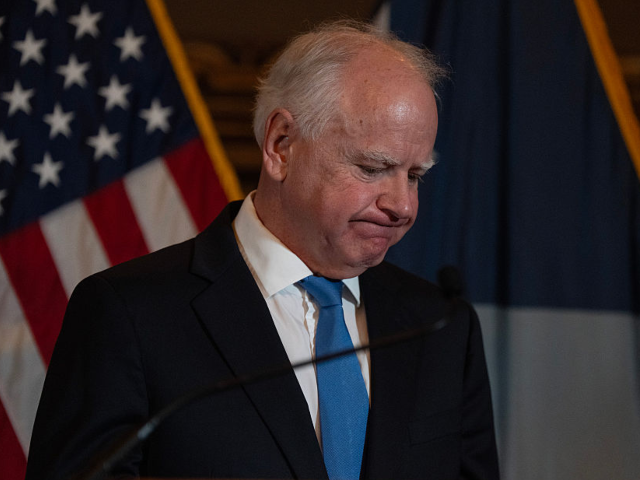
According to reporting by The New York Times, “Federal prosecutors issued subpoenas on Tuesday to at least five Democratic officials in Minnesota, ramping up the Justice Department’s investigation into their response to the Trump administration’s aggressive immigration crackdown in the state, according to two people familiar with the matter.” The subpoenas sought documents from Gov. Tim Walz, Minneapolis Mayor Jacob Frey, and St. Paul Mayor Kaohly Her regarding policies and actions connected to immigration enforcement efforts within Minnesota. Similar subpoenas were also sent to Attorney General Keith Ellison and Hennepin County Attorney Mary Moriarty, placing both executive and prosecutorial offices within the scope of the federal review.
The investigation focuses on how local and state officials have interacted with or resisted federal enforcement activities, an issue that has drawn national attention amid debates over the balance between federal authority and local discretion. Federal immigration enforcement is grounded in national law, while state and municipal leaders often retain influence over cooperation, access to facilities, and allocation of local resources. These overlapping responsibilities have increasingly produced legal disputes, particularly when federal agencies allege obstruction or noncompliance.
President Donald Trump addressed the broader issue during a Tuesday press conference, stating, “You’ve got to get rid of sanctuary cities.” His remarks reflected ongoing federal criticism of jurisdictions that limit cooperation with immigration authorities, an issue central to the Justice Department’s inquiry in Minnesota.
The investigation also unfolds alongside heightened scrutiny of unrelated but significant allegations involving large-scale welfare fraud in the state. Federal and state authorities have described the matter as one of the most extensive fraud cases ever uncovered, involving the misuse of public funds intended for vulnerable populations. In mid-January, Department of Homeland Security Secretary Kristi Noem commented on the issue while speaking to reporters at the White House, saying:
“We are there in surge operations because of the largest fraud scheme in American history. We had people stealing from taxpayers, stealing funds away from the most vulnerable individuals in this country, people who needed mental health services, developmental services, autism daycare. Instead, individuals came in — much from the Somalian community — and stole dollars from those people who needed it, and put it in their own pockets and enriched themselves. Did it right under Governor Walz’s nose and we believe that he didn’t just know about it, that he may be complicit in it as well.”
Noem’s comments have not been adjudicated and represent allegations made in the context of an ongoing investigation. The fraud case has nonetheless drawn national attention due to its size and its implications for public oversight, taxpayer accountability, and the administration of social service programs.
In November, The New York Times, in a separate examination of Minnesota politics, referenced the matter, acknowledging a “genuinely stunning fraud scandal, recently revealed, that happened on Walz’s watch.” That assessment underscored the broader environment of scrutiny now facing state leadership as federal investigators examine multiple areas of governance and compliance.
Taken together, the subpoenas and parallel investigations highlight increasing federal attention on how state and local officials manage immigration enforcement responsibilities and public funds. The outcomes of these inquiries may shape future interpretations of cooperation between federal agencies and local governments, as well as standards for accountability among elected officials.