
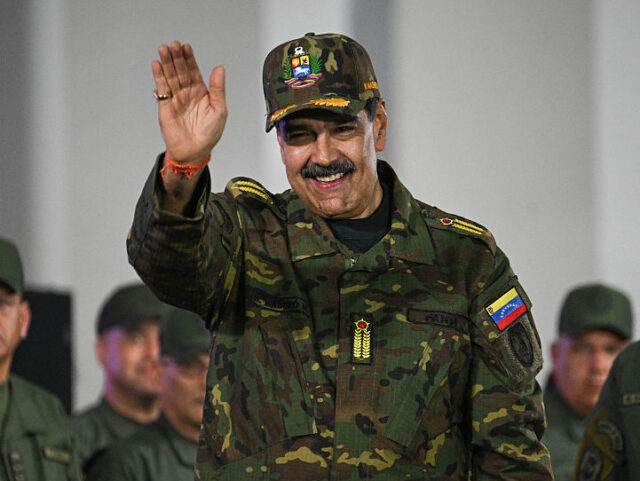
U.S. President Donald Trump announced Saturday morning that Venezuelan leader Nicolás Maduro and his wife, Cilia Flores, had been “captured and flown out of the country,” following reports of explosions and apparent airstrikes across Caracas and other parts of Venezuela. The announcement was made in a public statement posted by the president as developments were still unfolding on the ground, with additional details promised later in the day.

“The United States of America has successfully carried out a large scale strike against Venezuela and its leader, President Nicolas Maduro, who has been, along with his wife, captured and flown out of the Country. This operation was done in conjunction with U.S. Law Enforcement,” President Trump said in a Truth Social statement. He added that further details would be released during a press conference scheduled for later at Mar-a-Lago. The statement came hours after residents in Caracas reported loud explosions, low-flying aircraft, and visible smoke near strategic locations.
U.S. Secretary of War Pete Hegseth and White House press secretary Karoline Leavitt shared copies of the president’s Truth Social post on the social media platform X (formerly Twitter), amplifying the announcement as international attention focused on the situation. At the time of publication, no formal statement had been issued by Venezuela’s central government directly addressing the claim that Maduro had been captured.
Maduro has long been the subject of U.S. legal action. American courts accused him in 2020 of being a leading figure, or possibly the leader, of the so-called Cartel of the Suns, an international cocaine trafficking operation allegedly involving senior members of the Venezuelan government. U.S. authorities have maintained a $50 million reward for information leading to his arrest or conviction. Washington has previously framed these charges as part of broader efforts to counter transnational drug trafficking and protect U.S. public safety.
On the ground in Venezuela, the effects of the reported strikes were visible early Saturday. The Venezuelan newspaper El Nacional reported that large areas of Caracas were without power, and that dozens of residents were evacuating Fuerte Tiuna, the country’s main military complex. For years, Fuerte Tiuna has been widely believed to house critical military facilities and, according to multiple reports, Maduro’s personal bunker. El Nacional also reported that La Carlota, Venezuela’s main military airport, was among the locations hit during the strikes.
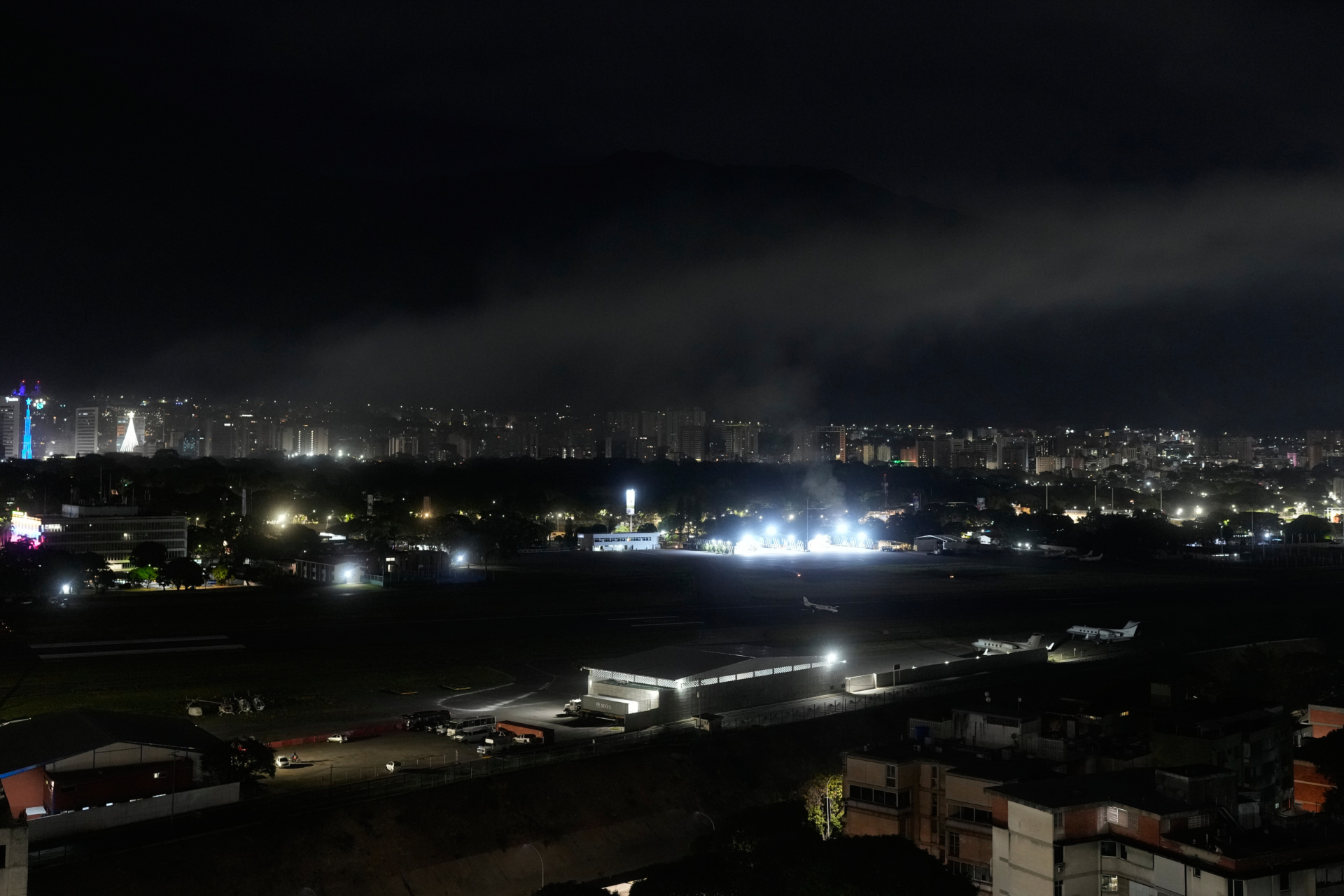
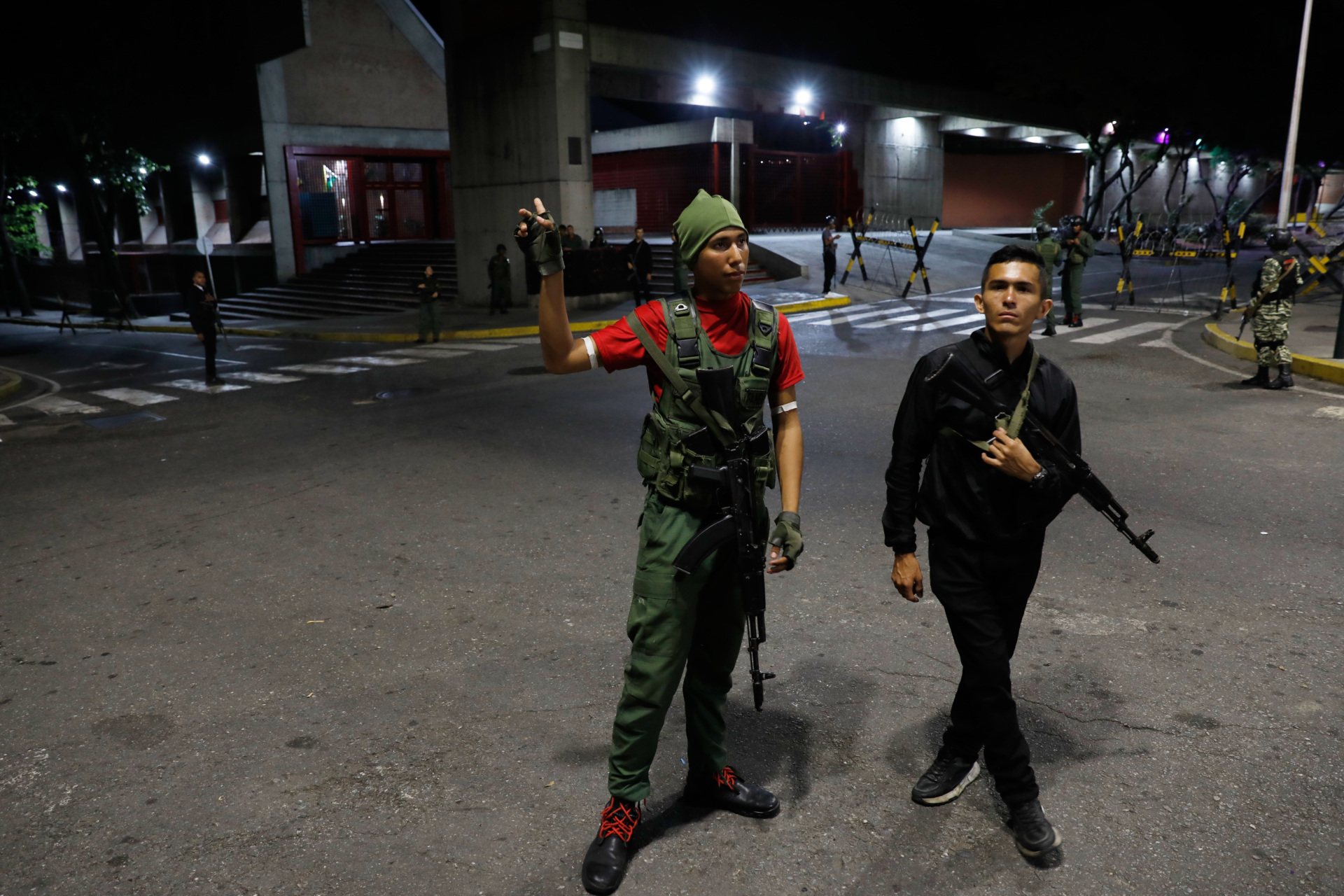
Images from the capital showed smoke rising near La Carlota airport and increased security presence around the Miraflores presidential palace. Members of the presidential guard were seen stationed outside the palace following the explosions and reports of aerial activity, underscoring the scale of the security response as events unfolded.
Venezuelan Defense Minister Vladimir Padrino López, who is also wanted by U.S. authorities on drug trafficking charges, addressed the nation shortly after the strikes in a video posted on Instagram. In his remarks, he denounced the action as an “invasion” and described it as “the greatest outrage suffered by Venezuela.” Rejecting U.S. accusations, Padrino López characterized the operation as an attempt at “regime change” designed to “submit” Venezuela to what he called the “American Empire.”
“Desperation is the invader’s ally. Let us avoid chaos and anarchy. They have attacked us, but they will not break us. We will prevail,” Padrino López said, calling on the international community to rally around Venezuela and condemn the United States. His video was published shortly before President Trump’s announcement regarding Maduro.
The situation places renewed focus on longstanding tensions between Washington and Caracas, including U.S. efforts to address narcotics trafficking, regional security concerns, and the broader stability of the Western Hemisphere. As officials on both sides release further information, the implications for U.S. foreign policy, international law enforcement cooperation, and regional security remain closely watched.