
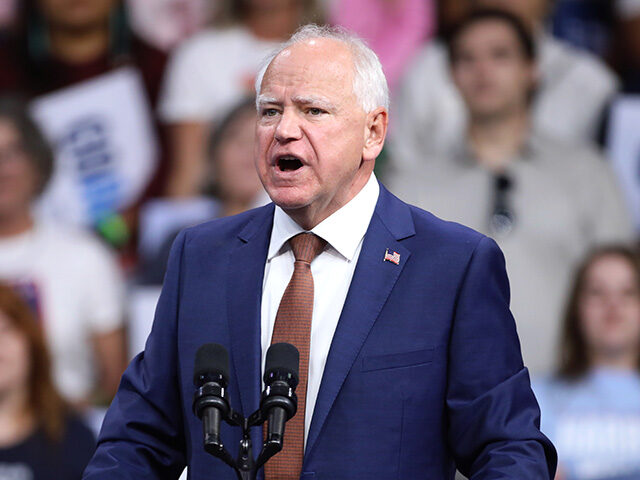
Minnesota Gov. Tim Walz (D) accused President Donald Trump of using allegations of fraud involving Somali immigrant–run childcare centers as “an excuse to hurt working Minnesotans,” following a federal decision to freeze certain childcare payments to the state. The dispute unfolded after the Department of Health and Human Services (HHS) announced it was freezing “all child care payments” to Minnesota while reviewing claims of improper use of federal funds.

In a post on X responding to coverage of his earlier remarks, Walz addressed criticism that he was downplaying fraud concerns. “While Minnesota has been combating fraud, the President has been letting fraudsters out of jail,” Walz wrote. “Trump’s using an issue he doesn’t give a damn about as an excuse to hurt working Minnesotans.” His comments framed the freeze as a political move rather than a compliance action, even as federal officials emphasized oversight responsibilities tied to taxpayer-funded programs.
HHS Deputy Secretary Jim O’Neill outlined the federal government’s rationale in a video announcement posted on X, stating the agency had “taken three direct actions against the blatant fraud that seems to be rampant in Minnesota.” He explained, “First, I have activated our defend the spend system for all ACF child care payments across America. Starting today, we require a justification receipt or photo evidence before we make a payment. Second, I have just signed and sent a demand letter to Governor Walz. I required a full 360 review of these centers, this includes attendance records, licenses, complaints, investigations, and inspections.” The steps signal a broader effort to verify eligibility and documentation before federal dollars are released, a process that affects not only Minnesota but other states receiving similar funding.
The HHS action followed the release of a video by citizen journalist Nick Shirley, who documented visits to multiple childcare centers in Minnesota that had reportedly received millions of dollars in federal aid. In the footage, Shirley said there were no visible signs of children at several locations he visited. One facility featured in the video, the Quality Learning Center, drew additional attention because its exterior sign misspelled “learning” as “learing,” raising questions among viewers about basic operational standards alongside financial compliance.
The situation has drawn attention beyond Minnesota, as similar allegations have surfaced in other states with federally funded childcare programs. According to reporting referenced in the discussion, citizen journalists have raised concerns about “potential Somali fraud of taxpayer funding” in places such as Ohio, Maine, and Pennsylvania. Federal officials have not announced comparable payment freezes in those states, but the Minnesota case has highlighted how oversight mechanisms can be triggered when allegations emerge, and how quickly funding decisions can affect providers, workers, and families who rely on these services.
The exchange between state and federal leaders underscores the balance between enforcing accountability for public funds and maintaining continuity for essential childcare services. As the review proceeds, the outcome may shape how states document compliance, how quickly payments are released, and how allegations of fraud are investigated when federal and state priorities collide.