
A recent editorial published by the Wall Street Journal’s editorial board examined the growing scrutiny around fraud cases tied to Minnesota’s public assistance programs, arguing that the issue centers on the scale and oversight of government systems rather than on immigrants themselves. In the January 2 editorial, the board wrote, “Minnesota’s Fraud Problem Isn’t Immigrants: It’s the vast size of the welfare state that corrupts them,” framing the problem as one of program design, enforcement, and incentives. The editorial stated that large, complex benefit systems with significant funding can become vulnerable to abuse, particularly when enforcement is inconsistent or politically sensitive.

The editorial continued by noting that “with so much money and so many programs, this [state’s welfare benefits are] an open vault for scammers,” adding that political hesitation to aggressively police fraud can compound the problem. It also argued that generous and prolonged benefits may discourage self-sufficiency for some recipients, while creating opportunities for organized abuse. At the same time, the board observed that complaints about fraud span party lines, writing that “Republicans complain about fraud, but too few want to tackle the perverse incentives that allow it to flourish,” placing responsibility on policymakers broadly rather than on any single group.
The debate has unfolded alongside investigations and prosecutions tied to misuse of public funds in Minnesota, prompting renewed attention to how welfare programs are structured, monitored, and audited. These cases have raised questions about taxpayer exposure, the effectiveness of existing safeguards, and the balance between delivering aid efficiently and preventing abuse. The editorial did not attribute fraud to specific ethnic or immigrant communities, instead focusing on systemic factors and political decision-making.
Public reaction has extended beyond the editorial pages. Investor Chamath Palihapitiya addressed the issue in a December 31 video, describing the scale of fraud allegations as politically significant. “Is there waste, fraud, and abuse in every state? Absolutely. I don’t think this is endemically a Democratic [Party] problem, but the scale of it is gargantuan in these Democratic states that if the Republicans don’t take advantage of it, I think it is a huge political missed calculation,” he said. He added, “If you want to have a chance in the midterms, and if you generally want to have a chance to level-set the country, you must take this and run with it… If it does die on the vine, it is the beginning of the end of the American Empire.” Palihapitiya also argued that curbing fraud could reduce pressure for higher taxes, particularly on higher earners.
The discussion has also intersected with broader debates over immigration policy, labor markets, and public spending. Some commentators have linked fraud concerns to questions about migration levels and the administration of visa programs, while others emphasize enforcement and accountability within existing welfare structures. President Donald Trump has publicly criticized the cost of migrants who remain in the country unlawfully while also supporting targeted changes to employment-based visa programs, reflecting the competing economic and policy considerations surrounding the issue.
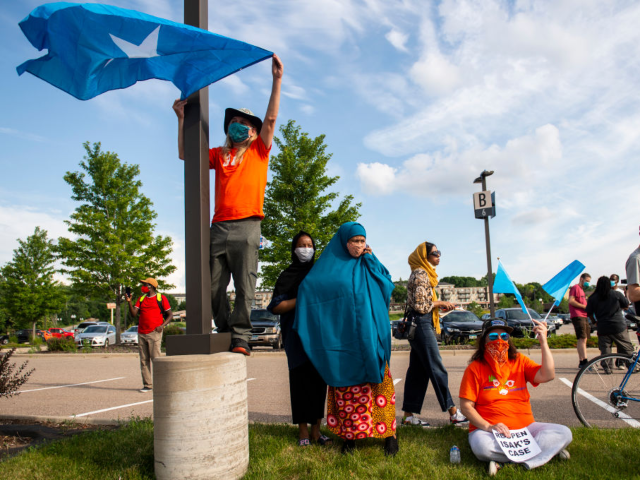
Individual reactions from members of the Somali diaspora have circulated on social media as investigations have drawn attention. In one widely shared video, an Oklahoma-based Somali refugee, Fardowsa Muhumed, criticized those involved in fraud cases, asking, “Why did you get caught?” In the same video, she made additional remarks about Americans that circulated online. Separately, discussions about cultural integration and civic norms have appeared in opinion pieces and essays, including commentary in The Free Press reflecting on clan-based social structures and their interaction with modern state institutions. These perspectives are part of a wider public conversation about assimilation, accountability, and how government programs operate across diverse communities.
Taken together, the Minnesota fraud cases have become a focal point for examining the size and management of welfare programs, the responsibility of elected officials to enforce existing laws, and the long-term fiscal impact on taxpayers. The ongoing investigations and debate continue to shape discussions about how public resources are allocated and protected, and how accountability is maintained within large government systems.